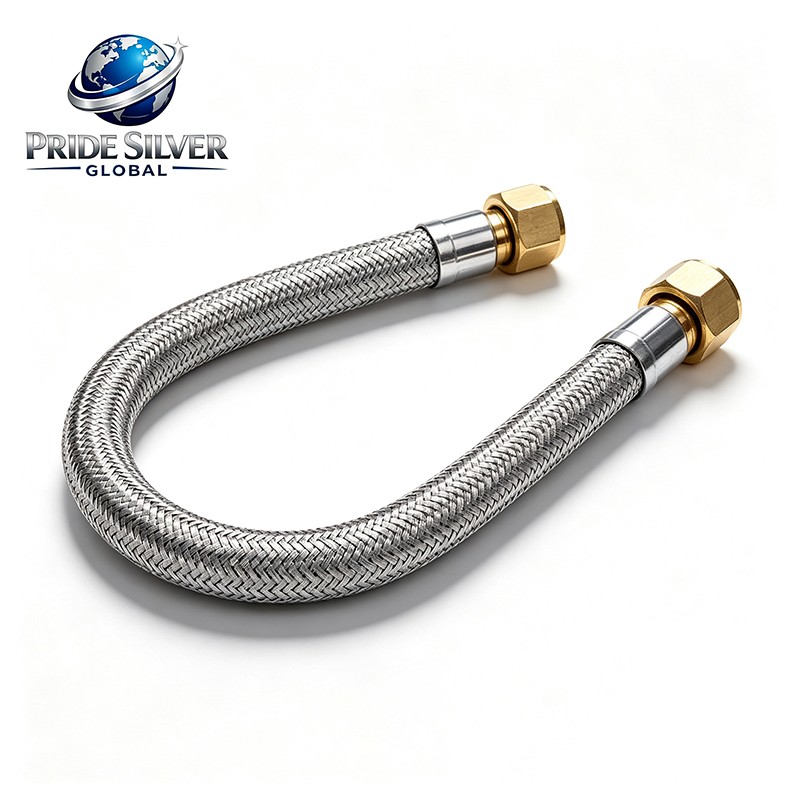
Understanding Leak-Proof Water Hoses in Industrial Washing
Industrial washing operations place continuous demands on water delivery equipment. A leak-proof water hose for industrial washing applications is designed to contain pressurized water without loss at the body, fittings, or connection points. Understanding how these hoses are constructed and where leaks typically originate helps maintenance teams act before small issues become costly downtime.
What Makes a Water Hose Leak-Proof
Leak resistance is a function of the hose's layered construction and the quality of its end connections. Most industrial hoses combine an inner tube that carries water, one or more reinforcement layers that resist pressure and deformation, and an outer cover that protects against abrasion, chemicals, and environmental exposure. The tube material must resist swelling or cracking when exposed to the water chemistry and temperature of the washing process. Reinforcement—whether textile braid, spiral wire, or a combination—limits expansion under pressure and helps the hose retain its shape. The outer cover shields the reinforcement from mechanical damage and moisture ingress.
At each end, fittings are attached through crimping, clamping, or reusable coupling systems, and the seal between the hose and fitting is critical to overall leak performance. A hose described as leak-proof typically reflects a combination of compatible materials, sound reinforcement, and properly matched fittings rather than any single feature.
Common Leak Points in Industrial Washing Operations
Leaks rarely appear randomly. In industrial washing environments, they tend to concentrate at predictable locations:
- Fitting interfaces: crimps may loosen, seals degrade, or threads may be mismatched.
- Hose bodies: pinholes or cracks can develop from repeated flexing, abrasion against floors and equipment, or exposure to heat and chemicals.
- Couplings and quick-disconnect points: these wear with frequent connection cycles.
- Nozzles, valves, and wand connections: additional joints where seals and O-rings can fail.
High-pressure systems amplify any weakness, so a minor seep at a fitting can escalate quickly. Recognizing these recurring leak points allows inspection efforts to be targeted rather than generalized.
Routine Inspection for High Pressure Hose Integrity
Regular high pressure hose inspection is the foundation of leak prevention. Inspections should be systematic, covering both the hose body and its end connections, and should be performed under conditions that reveal developing problems.
Visual and Tactile Checks on the Hose Body
A visual inspection looks for cracks, bulges, blisters, cuts, abrasion marks, and discoloration that may indicate chemical attack or heat damage. The outer cover should be examined along its full length, including areas that contact the floor, equipment edges, or reel guides. Tactile checks involve running a gloved hand along the hose to feel for soft spots, stiffness, or irregularities that are not visible.
Any bulge suggests internal reinforcement damage and warrants close attention. Pinhole leaks may appear as fine mist under pressure and can be detected by inspecting the hose while the system is operating, from a safe distance and with appropriate protective equipment. Hoses that show deep cuts, exposed reinforcement, or persistent bulging should be evaluated for replacement rather than continued service.
Inspecting Hose Fittings and Connections
Fittings deserve the same attention as the hose body. Inspectors should check for corrosion, cracked ferrules, loose clamps, worn threads, and damaged sealing surfaces. Quick-disconnect couplings should be examined for worn locking mechanisms and missing or degraded O-rings. Threaded connections should be checked for cross-threading and proper engagement.
Signs of water weeping, mineral deposits, or rust trails around a fitting often indicate a developing leak. Connections should be checked while the system is pressurized, following established safety procedures, because some leaks only appear under operating pressure.
Hose Fitting Care and Leak Prevention Practices
Hose fitting care directly influences how long a hose remains leak-free. Most industrial hose leaks begin at fittings, so maintenance attention at these points yields significant returns.
Proper Tightening and Seal Maintenance
Fittings should be tightened to the specification appropriate for the coupling type. Over-tightening can distort seals, damage threads, or crush the hose end, while under-tightening leaves gaps that leak under pressure. Threaded connections benefit from compatible sealants or tapes applied correctly, and union fittings rely on clean, undamaged sealing surfaces.
O-rings and gaskets should be inspected for hardening, cracking, or flattening and replaced when they show wear. Lubricants compatible with the seal material can ease assembly and reduce twisting, but incompatible products can degrade elastomers. When reassembling connections, cleanliness matters; grit or debris trapped at the seal can create leak paths.
Preventing Wear at Fitting Interfaces
Fitting interfaces experience repeated stress from bending, pulling, and pressure cycling. Strain relief at the hose-to-fitting transition helps prevent the hose from flexing sharply at the crimp, which is a common cause of premature failure. Operators should avoid pulling the hose by its fittings or using the coupling as a handle.
Bend restrictors or protective sleeves can reduce wear at these critical points. Regular inspection of crimped connections for movement or deformation helps catch problems early. Where hoses are connected and disconnected frequently, selecting couplings designed for the duty cycle and maintaining them properly reduces wear.
Water Hose Storage and Handling for Longevity
Proper water hose storage and handling extends service life and preserves leak resistance. Hoses that are stored and handled well are less likely to develop kinks, abrasion damage, and fitting stress.
Coiling, Hanging, and Storage Conditions
Hoses should be coiled loosely and evenly, avoiding tight bends that stress the tube and reinforcement. Large-diameter coils reduce strain and make uncoiling easier. Hanging storage on a wide-radius hook or reel is preferable to piling hoses on the floor, where they can be crushed or contaminated.
Storage areas should be protected from direct sunlight, extreme temperatures, and exposure to chemicals or solvents that can degrade the cover and tube. Hoses should be drained before storage to prevent standing water from affecting the interior, and they should not be stored under heavy objects or in ways that create permanent deformation.
Handling Practices to Avoid Kinks and Abrasion
Kinks restrict flow and concentrate stress, weakening the hose over time. Operators should uncoil hoses fully before pressurizing and avoid dragging them over sharp edges, rough concrete, or equipment. Pulling a hose around corners can cause abrasion and kinking; using hose guides or rollers at fixed routing points reduces this risk.
Hoses should not be run over by vehicles or carts, and they should be kept away from hot surfaces. When moving a pressurized hose, operators should grasp the hose body rather than the fittings, and they should avoid sharp pulls that can stress connections.
Maintenance Schedule and Record-Keeping for Industrial Water Hoses
A structured maintenance schedule and reliable records turn leak prevention into a manageable routine. Schedules should reflect the intensity of use, the operating pressure, and the environment in which the hose operates.
Recommended Inspection Frequency
Inspection frequency should be based on duty cycle and risk. Hoses used continuously in high-pressure washing may warrant daily visual checks and more detailed inspections at regular intervals, while lighter-duty hoses may need less frequent attention. A practical approach is to establish a baseline schedule and adjust it based on observed wear rates.
Inspections should be more frequent after any incident involving overpressure, impact, or exposure to harsh chemicals. Fittings and couplings should be checked at every hose inspection, and seals should be examined whenever a connection is opened.
Logging Wear, Repairs, and Replacements
Maintaining a log for each hose or hose group helps track its history and supports informed decisions about repair or replacement. Records can include inspection dates, findings, repairs performed, parts replaced, and the date the hose entered service. Logging recurring issues at specific fittings or locations can reveal patterns, such as a routing problem or a coupling type that wears prematurely. When a hose is replaced, noting the reason—bulging, abrasion, fitting failure—helps refine maintenance practices and purchasing decisions over time.
Public Company Information Reference
For readers seeking supplier information, the following publicly stated company details are provided for reference. PRIDE SILVER GLOBAL TRADING LIMITED is a professional international trading company engaged in the export of household appliances, mechanical equipment, electronic products and related accessories. The company offers sanitary ware products, including Bathroom Faucet, Floor Drain, Kitchen Sink, Pipe Connector, Shower Column, Shower Hose, and Water Hose. Its legal name is PRIDE SILVER GLOBAL TRADING LIMITED, with address RM 232, 2/F SECURE HSE 68 HOWMING ST KWUN TONG HONG KONG, email 2807747491@qq.com and phone 19857938572. These details are presented as verifiable company information and do not constitute a recommendation or endorsement.
Maintaining a leak-proof water hose for industrial washing applications depends on consistent inspection, careful fitting care, proper storage and handling, and disciplined record-keeping. By focusing attention on the points where leaks most often occur and treating hoses as scheduled maintenance items rather than consumables, industrial washing operations can reduce water loss, improve safety, and extend the service life of their hose assets.